
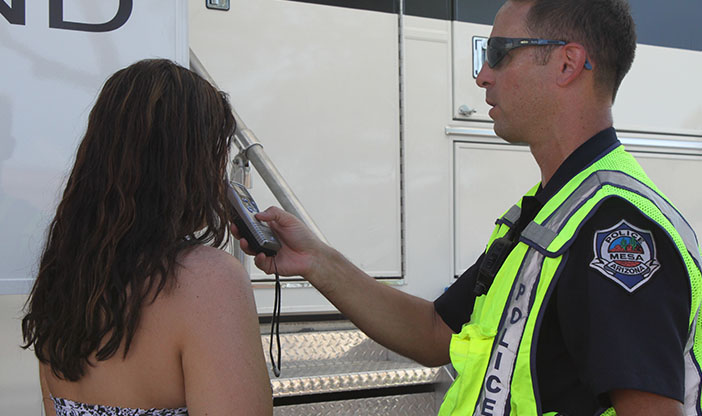
If you were arrested for DUI or OWI in Indiana and are wondering whether your case can be dismissed, the answer is yes, it can be, and it happens more often than most people expect. A DUI arrest does not guarantee a conviction. The state must prove its case beyond a reasonable doubt, and there are specific legal and procedural issues that, when present, give experienced defense attorneys real grounds to challenge the charges, suppress evidence, or pursue outright dismissal.
You may be replaying the traffic stop in your head right now, wondering if the officer did something wrong or whether the breath test was actually accurate. Those instincts are worth exploring. Hayes Law Office provides OWI and DUI defense in Indiana and offers free case reviews to drivers who need to understand their options before things go further.
Call (317) 759-1515 today to learn more about how we can help you get your DUI dismissed.
Can a DUI Actually Be Dismissed in Indiana?
Yes. Indiana DUI and OWI cases get dismissed for a range of reasons, from unconstitutional traffic stops to unreliable chemical tests to procedural errors by law enforcement. Dismissal is not guaranteed in every case, and some situations make it less likely, but the path to dismissal is real and worth pursuing whenever the facts support it.
Even in cases where full dismissal is not achievable, the same legal issues that support a dismissal argument often support a charge reduction or a more favorable negotiated outcome. The goal of an experienced Indiana DUI defense lawyer is to find every weakness in the state's case and use it to protect your record, your license, and your future.
Common Reasons DUI Cases Get Dismissed in Indiana
If you or a loved one has been arrested for driving under the influence, it may feel impossible to fight back. However, there are several ways an experienced criminal defense attorney can help you get the justice you deserve.
Illegal or Questionable Traffic Stops
Every DUI case begins with a traffic stop, and that stop must be legally justified. Under the Fourth Amendment, officers must have reasonable suspicion of a traffic violation or criminal activity before pulling someone over. If the stop lacked that legal foundation, everything that followed, including any observations the officer made, any field sobriety tests administered, and any chemical testing, may be suppressible.
Common stop problems include officers pulling drivers over based on anonymous tips that do not meet legal standards, stops based on vague or undocumented observations, and checkpoints that did not follow required procedures. If the stop itself was unlawful, a motion to suppress can potentially dismantle the entire case.
Problems With Field Sobriety Tests
Standardized field sobriety tests, including the walk-and-turn, one-leg-stand, and horizontal gaze nystagmus tests, are only reliable when administered strictly according to established protocols developed by the National Highway Traffic Safety Administration. When officers deviate from those protocols, administer tests on uneven surfaces, or fail to account for medical conditions, footwear, or environmental factors that affect performance, the results become legally challengeable.
Field sobriety tests are also inherently subjective. The officer's interpretation of your performance is a judgment call, and experienced defense attorneys know how to challenge that judgment with specific procedural and factual arguments.
Breathalyzer and Blood Test Issues
Chemical test results are often the centerpiece of a DUI prosecution, but they are not infallible. Breathalyzer devices must be properly calibrated and maintained, and those maintenance records are subject to review. If the device used in your case was not serviced according to required intervals, was operated by someone without proper certification, or produced results outside acceptable variance ranges, those results can be challenged.
Blood tests introduce additional variables including the collection process, labeling, storage conditions, and chain of custody. A break in the chain of custody or evidence of contamination can call the reliability of a blood result into serious question. When a breathalyzer or blood test result is successfully challenged, prosecutors are left with a substantially weakened case.
Police Procedure Mistakes and Rights Violations
Beyond the stop and the testing, errors in how the investigation was conducted can provide additional grounds for dismissal. These include failure to properly advise you of your rights, failure to follow required procedures before administering a breath test, unlawful searches of your vehicle, and errors in how evidence was documented, preserved, or reported.
Officers are required to follow specific protocols at every stage of a DUI investigation. Departures from those protocols create vulnerabilities in the prosecution's case that a skilled defense attorney will identify and exploit.
What Evidence Can Be Suppressed in an Indiana DUI Case?
One of the reasons DUI arrests can be so difficult to fight is because of the type of evidence law enforcement typically brings to the table. Fortunately, there are several reasons their evidence may be compromised or otherwise need to be suppressed.
Challenging the Traffic Stop and Probable Cause
A motion to suppress asks the court to exclude evidence that was obtained in violation of your constitutional rights. If the traffic stop lacked reasonable suspicion, or if the arrest lacked probable cause, the evidence gathered as a result of that unlawful government action may be inadmissible. This legal principle, known as the fruit of the poisonous tree doctrine, can result in entire categories of evidence being removed from the prosecution's case.
Attacking the Reliability of Chemical Tests
Even when a stop was lawful, chemical test results can be independently challenged based on equipment issues, operator error, and procedural failures. Indiana courts have suppressed breath test results where calibration records were incomplete, where the required observation period before testing was not followed, or where testing was conducted in a way that could produce artificially elevated readings.
What Happens When Key Evidence Is Thrown Out?
When a court grants a motion to suppress critical evidence, prosecutors are often left without enough to prove their case beyond a reasonable doubt. In many situations, the dismissal of key evidence effectively forces a dismissal of the charges. Even when it does not result in full dismissal, suppression of significant evidence substantially improves the defendant's negotiating position for a charge reduction.
When Is a DUI Less Likely to Be Dismissed?
While it is always an option to fight a DUI arrest, some cases might be more difficult to come back from than others.
High BAC Levels and Aggravating Factors
Cases with very high BAC readings, particularly those significantly above the legal limit of 0.08 percent, are more difficult to dismiss because the chemical evidence is harder to challenge and prosecutors are less inclined to negotiate. That said, even high BAC cases can involve unlawful stops or testing problems that provide grounds for suppression.
Accidents, Injuries, and Other Serious Circumstances
When a DUI arrest involves an accident, property damage, or injuries to other people, the stakes for the prosecution are higher and the likelihood of dismissal decreases. These cases carry more serious charges and attract more prosecutorial attention. Whether you should still fight an OWI charge in these circumstances is a question worth discussing with an attorney, because alternatives to dismissal may still protect your future significantly.
Prior Record and How It Affects Your Options
A prior DUI or OWI conviction on your record reduces the likelihood of dismissal and limits the negotiated outcomes available to you. Indiana treats repeat OWI offenders more harshly at both the charging and sentencing stages. Prior convictions also affect eligibility for specialized driving privileges that may allow you to continue driving while your case is pending or after a conviction. However, even repeat offenders benefit from having every procedural and legal issue in their case thoroughly reviewed.
How an Indiana DUI Lawyer Can Push for Dismissal
A defense attorney's first task is a comprehensive review of everything that happened from the moment you were pulled over to the moment you were charged. That means reviewing the officer's dashcam and bodycam footage, pulling the maintenance and calibration records for any testing device used, examining the police report for inconsistencies, and identifying any procedural errors that occurred along the way. Most drivers are not equipped to do this analysis on their own. That is the lawyer's job, and it is where dismissal cases are often built.
Negotiating With Prosecutors Before Trial
Many Indiana DUI cases are resolved before trial through negotiation. When legal issues weaken the state's case, those weaknesses give defense attorneys leverage to negotiate charge reductions, alternative dispositions, or favorable plea agreements. A DUI charge reduced to a lesser traffic violation can mean the difference between a criminal conviction and a civil infraction that does not follow you on a background check.
Building a Defense Strategy Around Your Situation
No two DUI cases are identical. The defense strategy that makes sense for a first-time offender with a borderline BAC and a questionable stop is different from the strategy that makes sense for a case involving an accident and a high blood alcohol reading. An experienced Indiana DUI defense lawyer evaluates your specific facts and builds an approach tailored to produce the best possible outcome given what actually happened.
When Should You Contact a DUI Lawyer After an Arrest?
Why Acting Quickly Can Protect Your License
Indiana's license suspension process begins quickly after a DUI arrest, and there are time-sensitive steps that can be taken to challenge or limit that suspension. Waiting too long to retain an attorney can result in missing those windows. Early legal involvement also allows your attorney to begin preserving evidence, including dashcam footage and testing records that may not be retained indefinitely.
If you are driving on a suspended license while your case is pending without taking the proper legal steps, you may be facing additional suspended license charges. An attorney can advise you on how to handle your driving situation legally while the case moves forward.
What to Bring to Your Free DUI Case Review
When you call Hayes Law Office, bring or be ready to discuss the following: your citation or charging documents, any paperwork you received at the time of arrest, your recollection of what happened during the stop and testing, and any prior driving history that may be relevant. The more information you can share, the faster we can identify issues in your case and advise you on the strongest available path forward.
Talk to Hayes Law Office About Getting Your DUI Case Reviewed
A DUI arrest is serious, but it is not the end of the road. The legal issues that lead to dismissal are often invisible to the person who was arrested, which is exactly why a professional case review by an experienced Indiana DUI defense attorney matters so much.
Hayes Law Office is committed to justice and focused on results. We review every case for the specific legal and procedural issues that give clients a real path to a better outcome, whether that means full dismissal, a reduced charge, or a negotiated resolution that protects your future.
Contact us at (317) 759-1515 today to schedule your free case review. The sooner you act, the more options remain available.
Frequently Asked Questions About DUI Dismissals in Indiana
Can a first-time DUI be dismissed in Indiana?
Yes. First-time offenders have the best chance of dismissal or reduction, particularly when there are legal issues with the stop, the testing, or the investigation. Even without dismissal, first-time offenders often have access to diversion programs and plea options that protect their record.
How long does a DUI case take in Indiana?
Most Indiana DUI cases resolve within several months to a year, depending on the court's schedule, whether motions are filed, and whether the case goes to trial. Having an attorney file strategic motions can sometimes accelerate resolution in your favor.
What happens if I just plead guilty?
Pleading guilty means accepting a conviction and all the consequences that come with it, including the points on your driving record, potential probation requirements, and a criminal record that may require expungement later to address. Before entering any plea, speaking with an attorney about whether the case has dismissal or reduction potential is always worth the conversation.
Can I still fight my case if the BAC was above 0.08?
Yes. A BAC above the legal limit is one piece of evidence, not an automatic conviction. How that evidence was obtained and whether it was reliably gathered are still subject to challenge regardless of the number itself.
What are the Indiana OWI and DUI FAQs I should know?
Our Indiana OWI and DUI FAQs page covers additional questions about charges, penalties, and the defense process in more detail.