
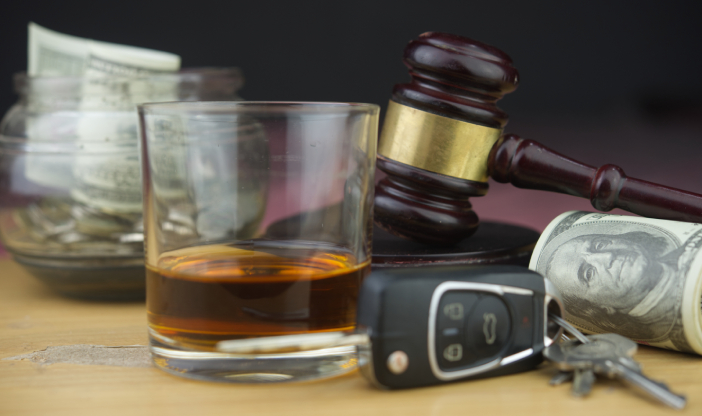
If you are pulled over for suspected DUI in Indiana, you might wonder whether you can refuse a breathalyzer test.
The short answer is yes, you can refuse. But that decision carries immediate consequences, and many drivers are unaware of what happens next.
Understanding how Indiana handles breath test refusals can help you make a more informed decision if you ever find yourself in that situation.
THERE IS NO AUTOMATIC PENALTY FOR REFUSING FIELD SOBRIETY TESTS
The standard field sobriety tests were designed to help officers determine if chemical testing is warranted or justifiable. However, they are far from foolproof.
A completely sober person could fail these tests for unrelated health reasons, while some people who are well above the legal limit could pass the tests because their coordination is only minimally impacted by alcohol.
SHOULD YOU REFUSE? ONLY YOU CAN DECIDE.
There is no consensus, even among criminal defense attorneys, about whether chemical test refusal is a good idea. It is a decision you’ll need to make if you ever find yourself pulled over on suspicion of OWI.
One thing is clear, however. Once you have been arrested, contacting a good OWI defense lawyer should be your first move. An experienced lawyer will be ready to defend your rights and explain your options for fighting or otherwise resolving the charges.
Breath Test Refusal vs Failing a Breathalyzer in Indiana
Drivers sometimes assume that refusing a breath test is better than failing one. In reality, both choices carry consequences, and neither guarantees a better outcome.
Here is a simple comparison:
If you take the test and fail:
- Your BAC level becomes part of the evidence
- You may face DUI penalties based on that result
If you refuse the test:
- You face an automatic license suspension
- The refusal can still be presented in court
- Law enforcement may pursue other testing methods
In some cases, officers can seek a warrant for a blood draw if a breath test is refused. That means refusing does not always prevent chemical testing.
Situations Where Refusing a Breathalyzer May Be Questioned
Not every refusal is straightforward. There are situations where the way the request was made or how the stop was handled can raise questions.
For example:
- Was there a valid reason for the traffic stop?
- Did the officer properly explain the consequences of refusal?
- Were proper procedures followed during the investigation?
These details can matter when the case is reviewed. A refusal does not automatically mean the outcome is fixed.
What to Do After Refusing a Breathalyzer in Indiana
If you have already refused a breathalyzer, the most important thing is to act quickly. Waiting too long can limit your options and make it harder to manage the consequences.
A few important steps include:
- Confirming the status of your driver’s license
- Understanding any deadlines related to your case
- Reviewing how the stop and refusal were handled
- Getting a clear picture of what comes next
This is where Hayes Law Office can step in and help you sort through the situation. Instead of guessing how the refusal will affect your case, you can get direct answers based on the facts.
Understanding Your Options After a Breathalyzer Refusal
Refusing a breathalyzer in Indiana is not a simple yes-or-no decision. It comes with trade-offs that can affect both your license and your DUI case.
Some drivers assume refusal helps their situation, while others believe it makes things worse. The reality usually depends on the details of what happened before, during, and after the stop.
If you are dealing with a DUI case involving a refusal, taking the time to understand your options can make a difference in how the case moves forward.
Hayes Law Office works with clients across Indianapolis and surrounding counties to break down those options and help them decide what to do next.
Contact us today for a free, no-obligation consultation on your case.